This Is the Brand — and the Store — That Baltimore’s
Skate Scene Deserves
By Jeff Ihaza
Photographed by Alexis Gross
On an overcast day in December, a few days before Christmas, I walk out of Baltimore’s Penn Station and immediately spot skate and streetwear brand Carpet Company’s first brick-and-mortar store. Except the building, situated on the corner of St. Paul Street and East North Avenue, is so sprawling that at first I mistake it for an old department store.
The location is a testament to just how committed Carpet Company’s founders — brothers Ayman and Osama Abdeldayem — are to their home city. This stretch of North Avenue has been frozen in a kind of civic limbo for decades. Once a thriving commercial corridor and part of what locals called “Black Broadway,” the area was hollowed out by mid-century disinvestment. Most of the buildings were snapped up by a single property owner who allegedly left them dormant following a dispute with the city. They sat vacant for years, sometimes decades, making for an effective dead zone on one of Baltimore’s main arteries.
Then, a miracle: The Abdeldayems learned that the property owner, now elderly, had finally started selling lots. “We were there to get the first one,” Ayman says.
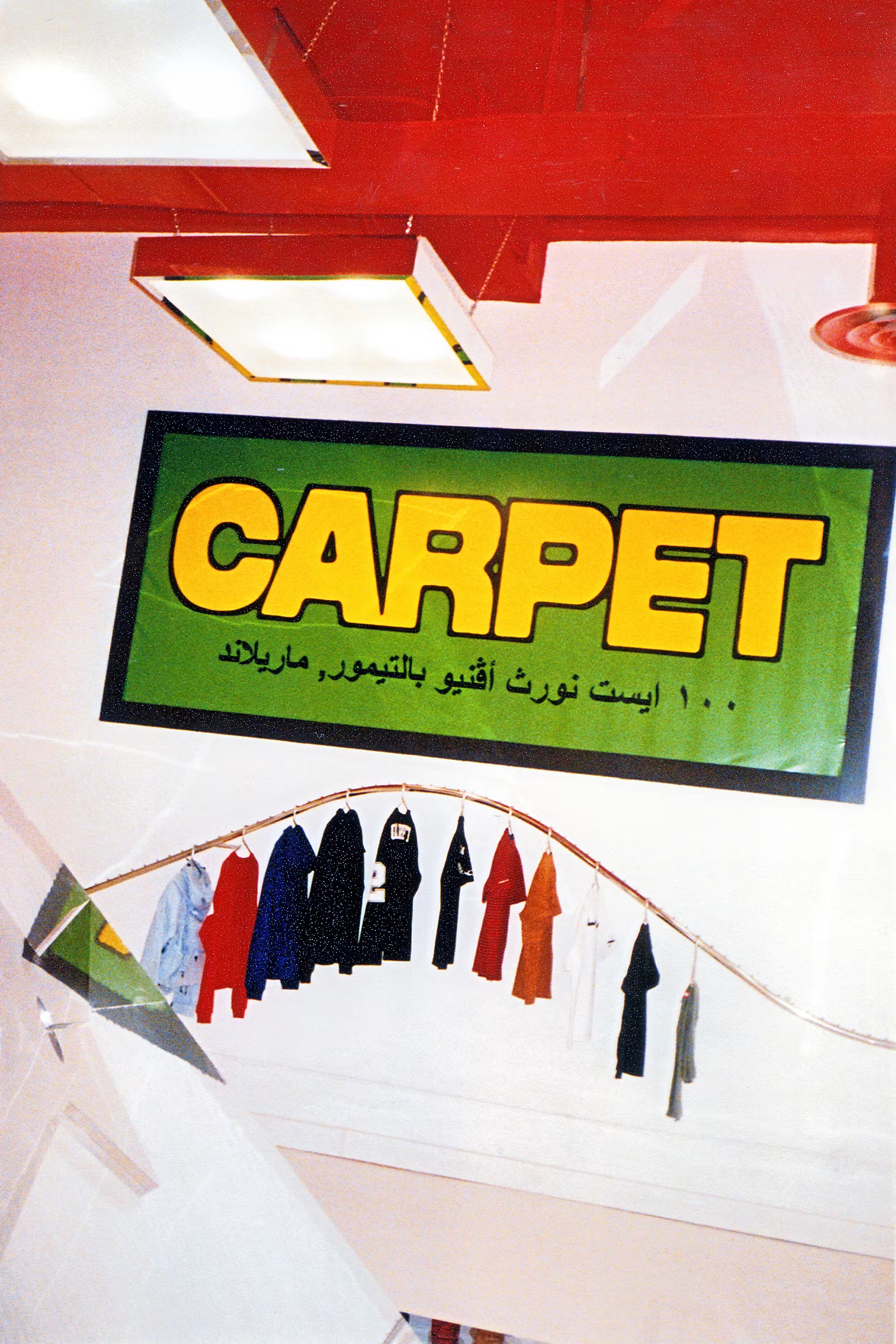
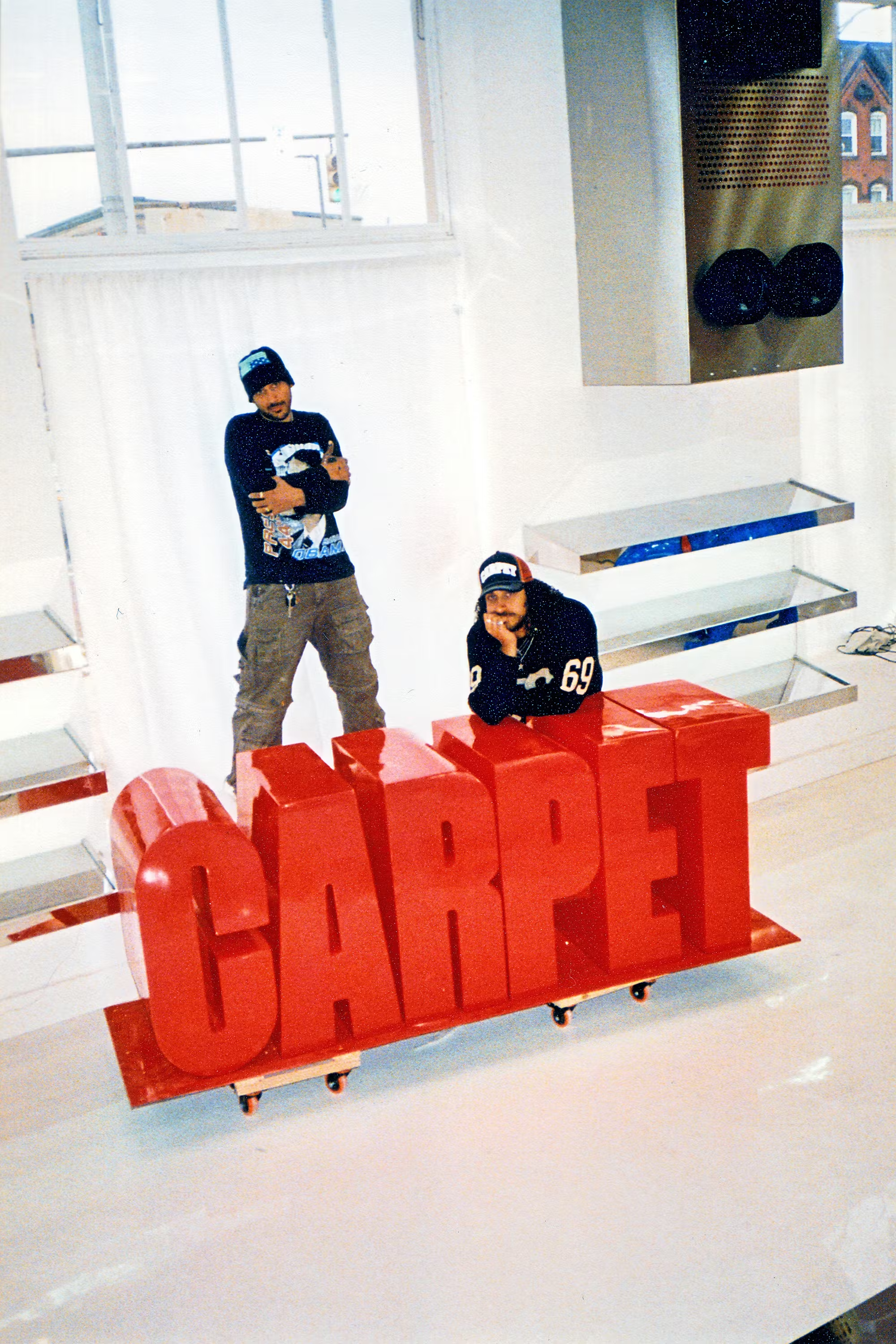
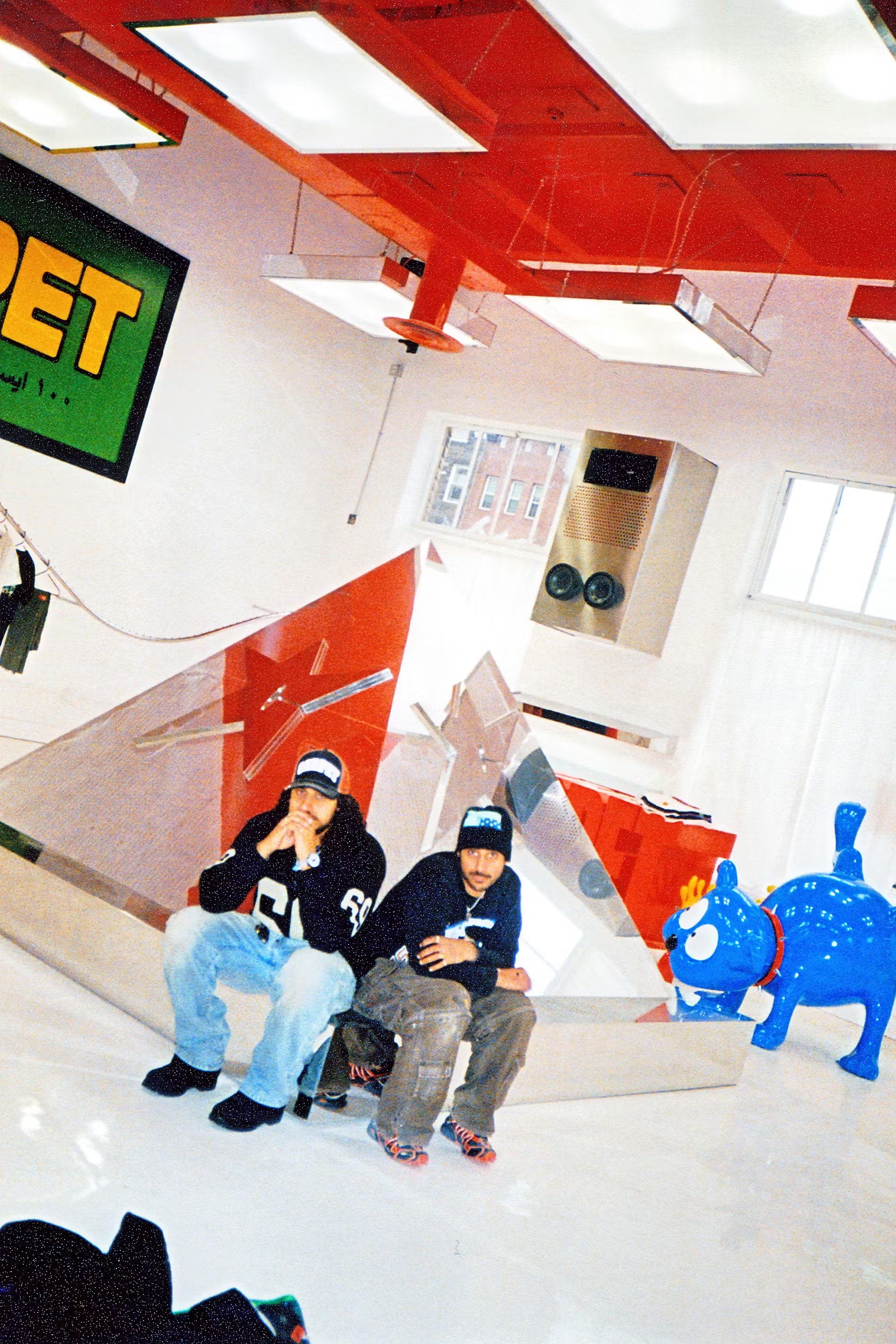
Their store officially opens this spring. At the center of the 1,300-square-foot space sits a monumental steel pyramid, a nod to the brothers’ Egyptian heritage, polished to a mirror finish. Suspended overhead are two metal-encased Altec Lansing speakers, perched like brutalist gargoyles, signaling that when the Carpet crew isn’t slinging boards and T-shirts, they’re hanging out. Ayman saw the building’s sheer size as an opportunity to provide something for the broader community. “We were like, let’s just do everything we can to turn it into a space that everybody could use,” he says. “It could be shopping, it could be partying, it could be an art gallery, it could be a café.”
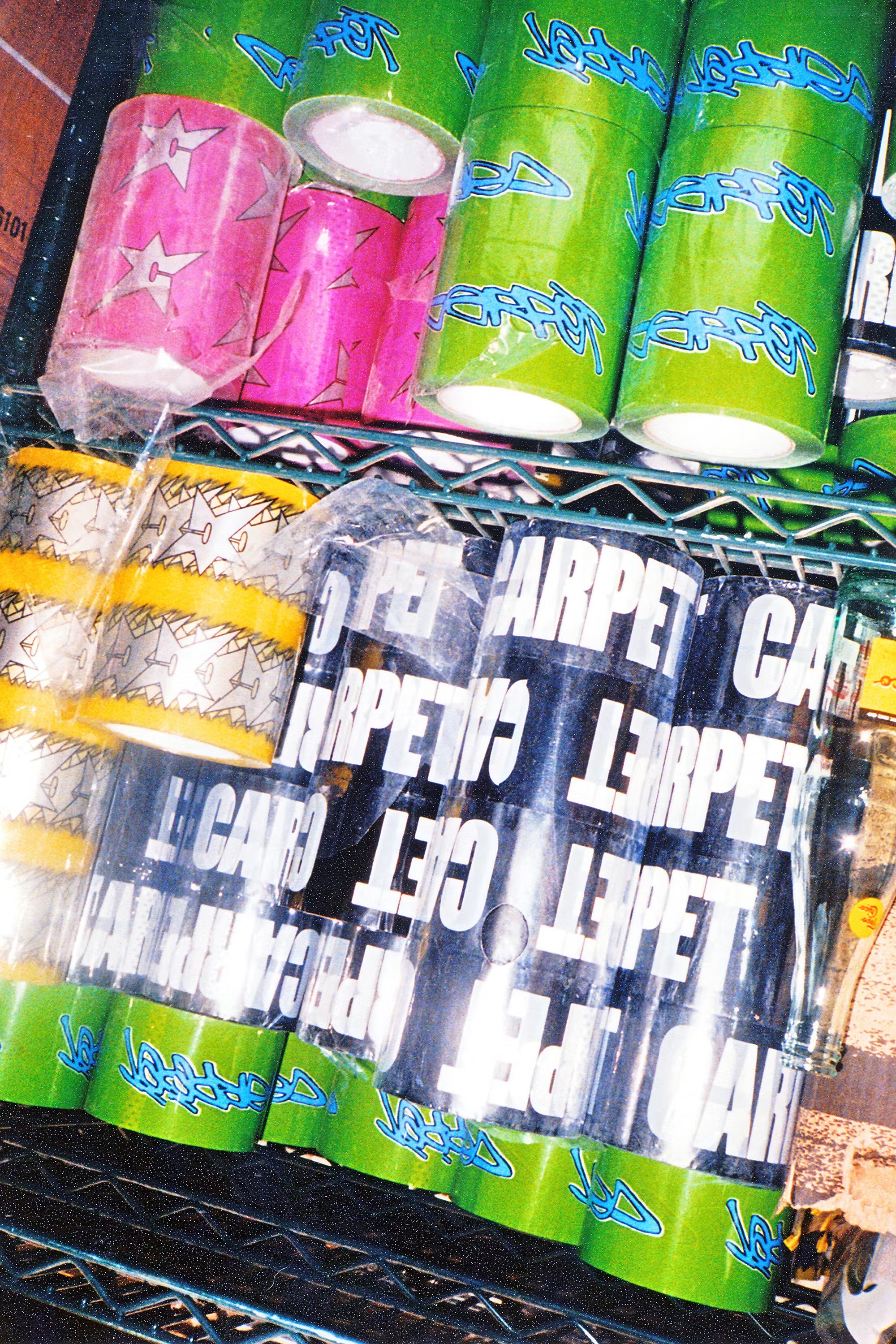
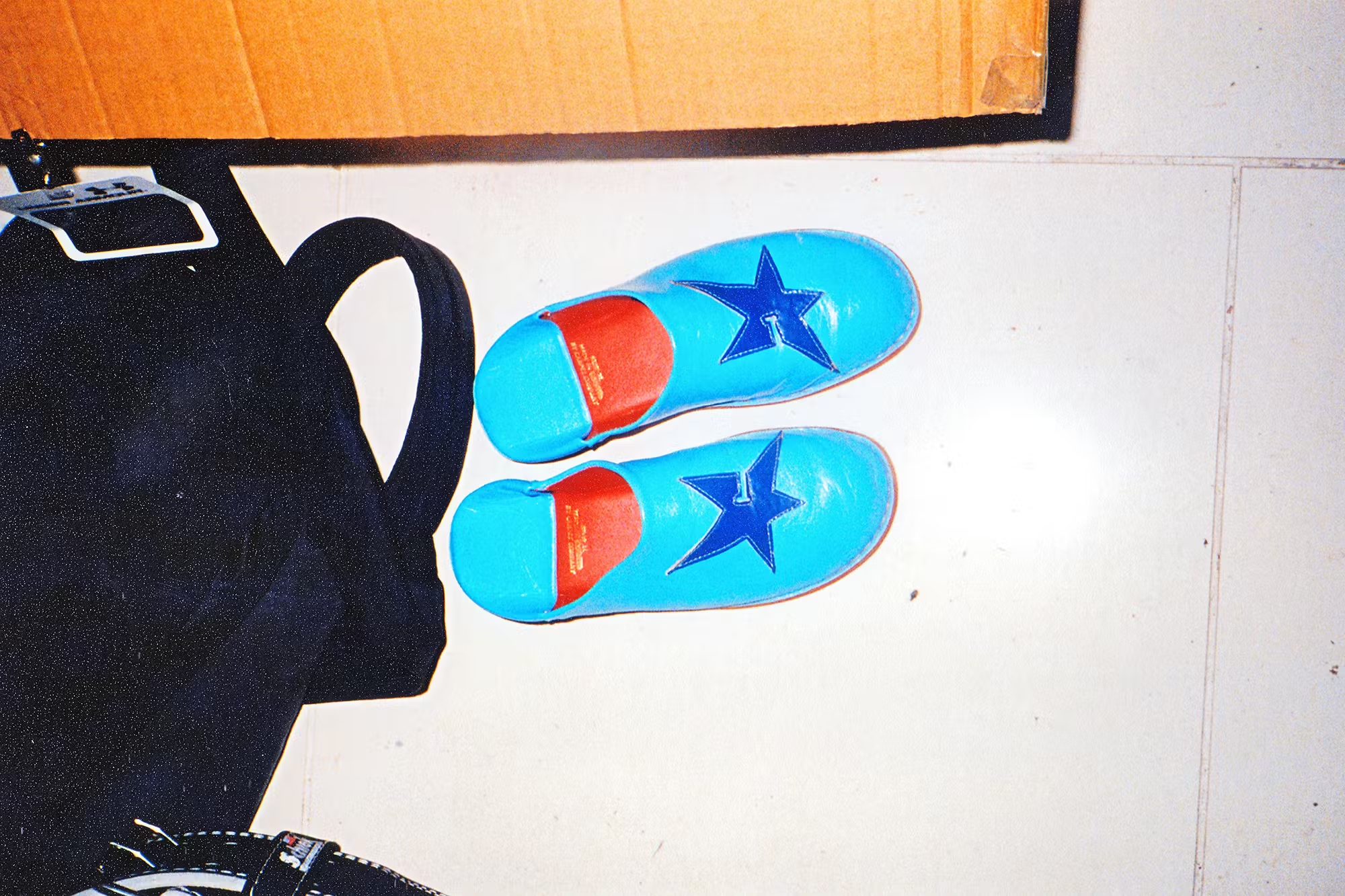
Since its founding in 2015, Carpet Company has kept a refreshingly tight focus. This has stayed true even as what was nominally a skate brand extended into clothing, jewelry, footwear, furniture, and architecture. Everything the brand makes traces back to its creators’ tongue-in-cheek, somewhat nostalgic sensibility: a stackable stool in the shape of a giant screwdriver (currently in development); a recent collaboration with Spitfire Wheels hearkened to every millennial skater’s adolescence.
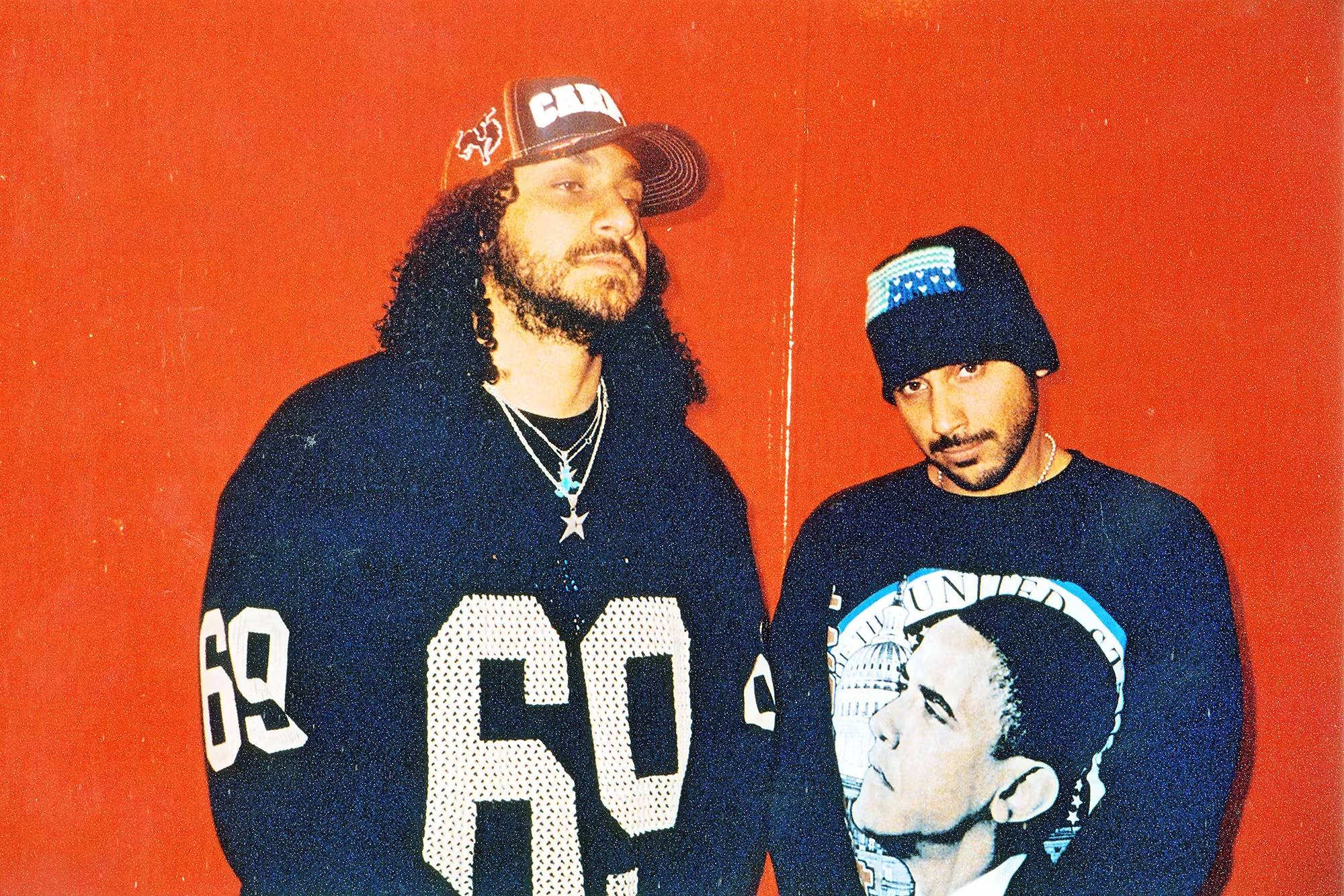
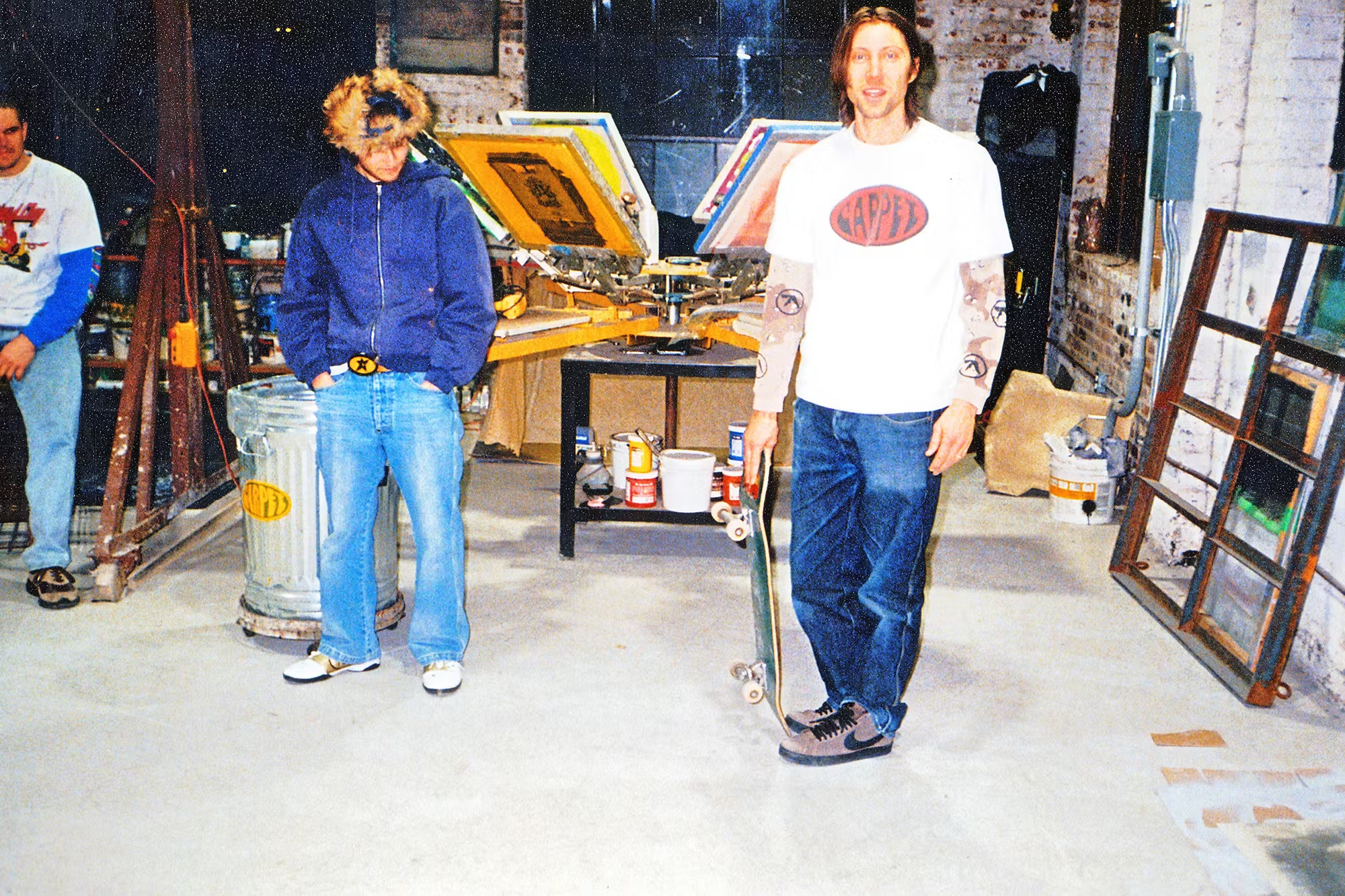
When we meet, Ayman, the younger, more business-minded brother, wears a clean-cut shirt and jeans, while Osama, the older and artsier one, wears paint-splattered denim and a vintage Obama T-shirt. They launched Carpet while both were working full-time engineering jobs. At first, it was just supposed to be a way for them to make custom screenprinted skateboards by hand — a slow, labor-intensive, and intentionally inefficient process. “Because of how our brains worked, we were like, ‘Let’s just try it,’” Osama says. “We did, and we enjoyed it.”
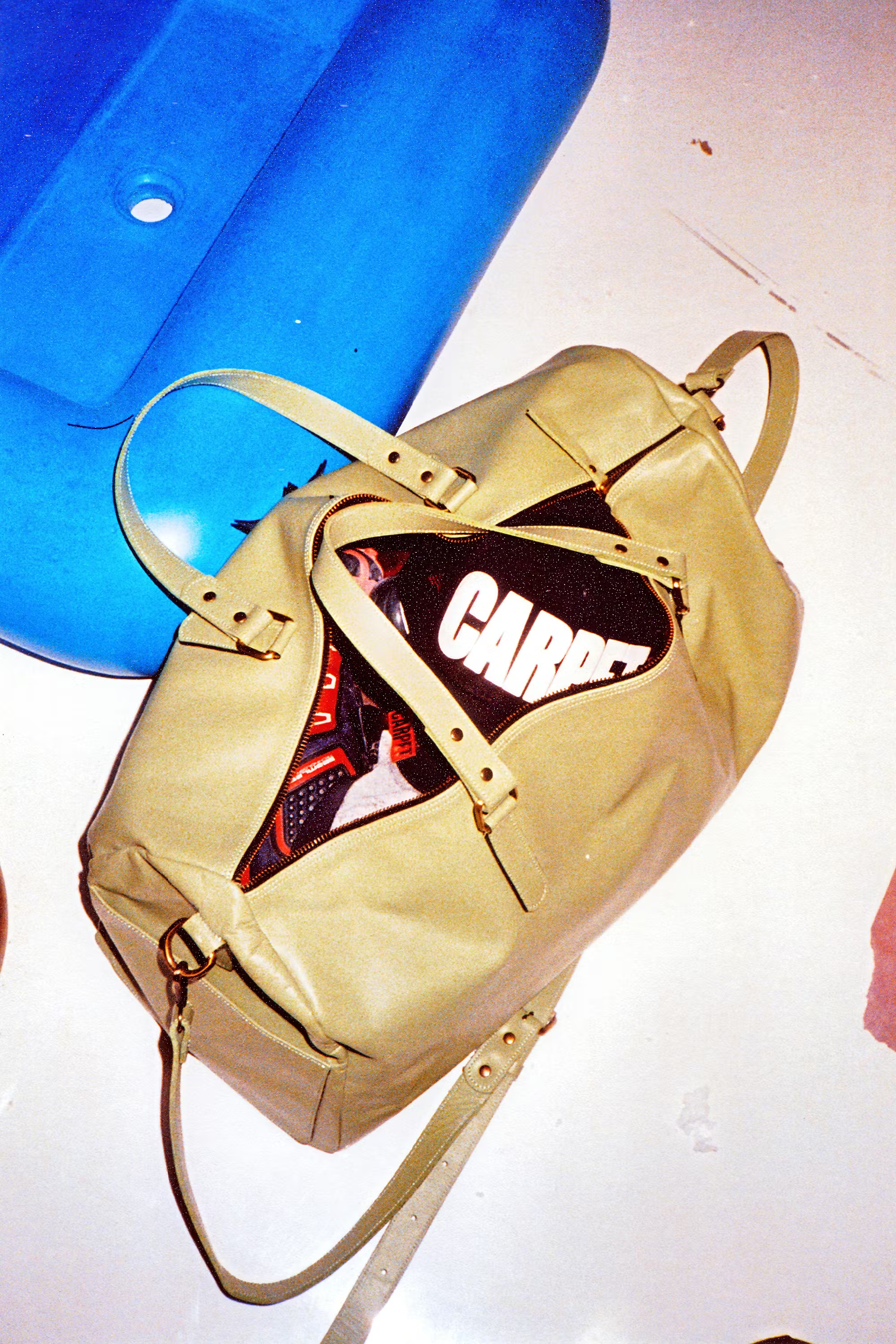
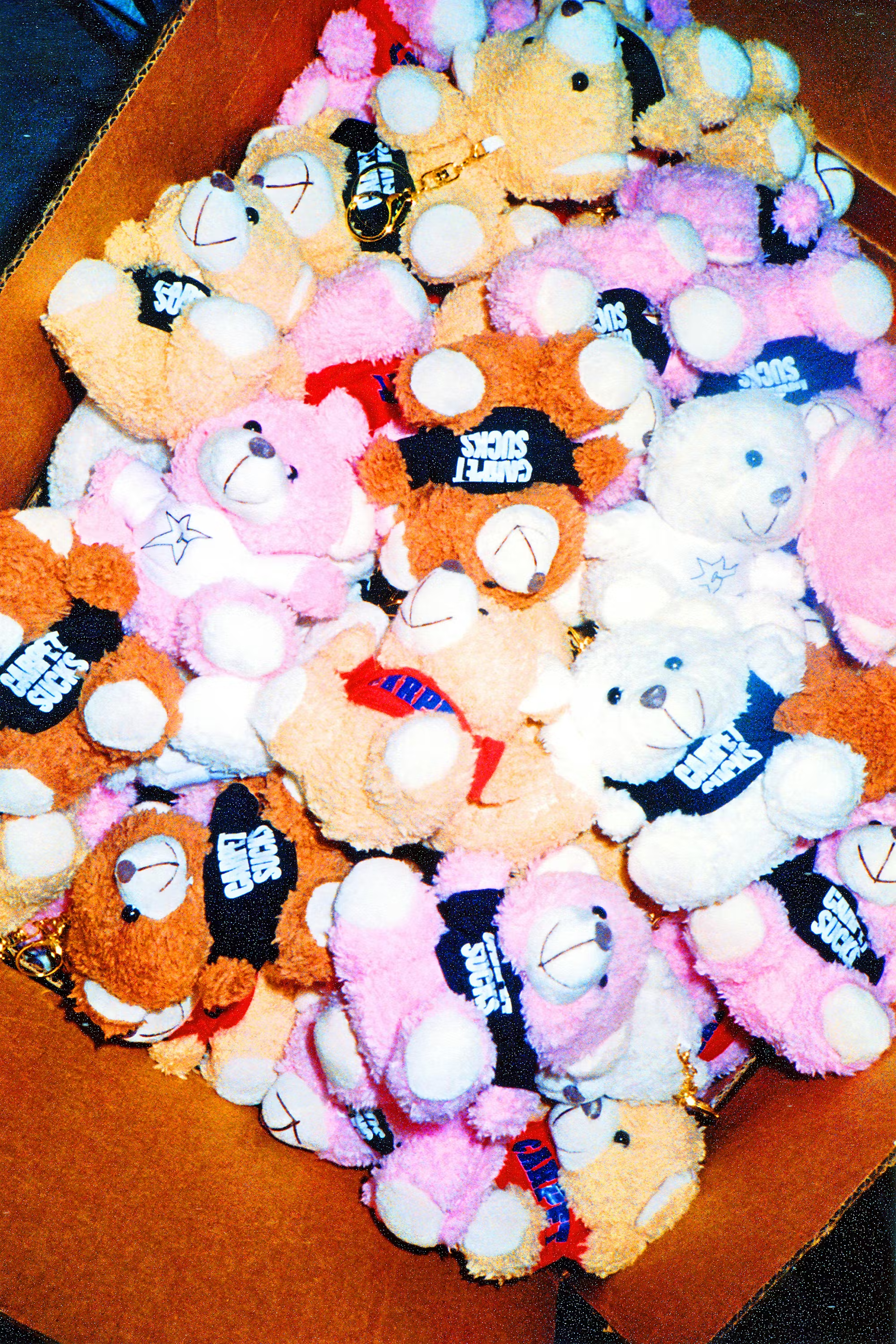
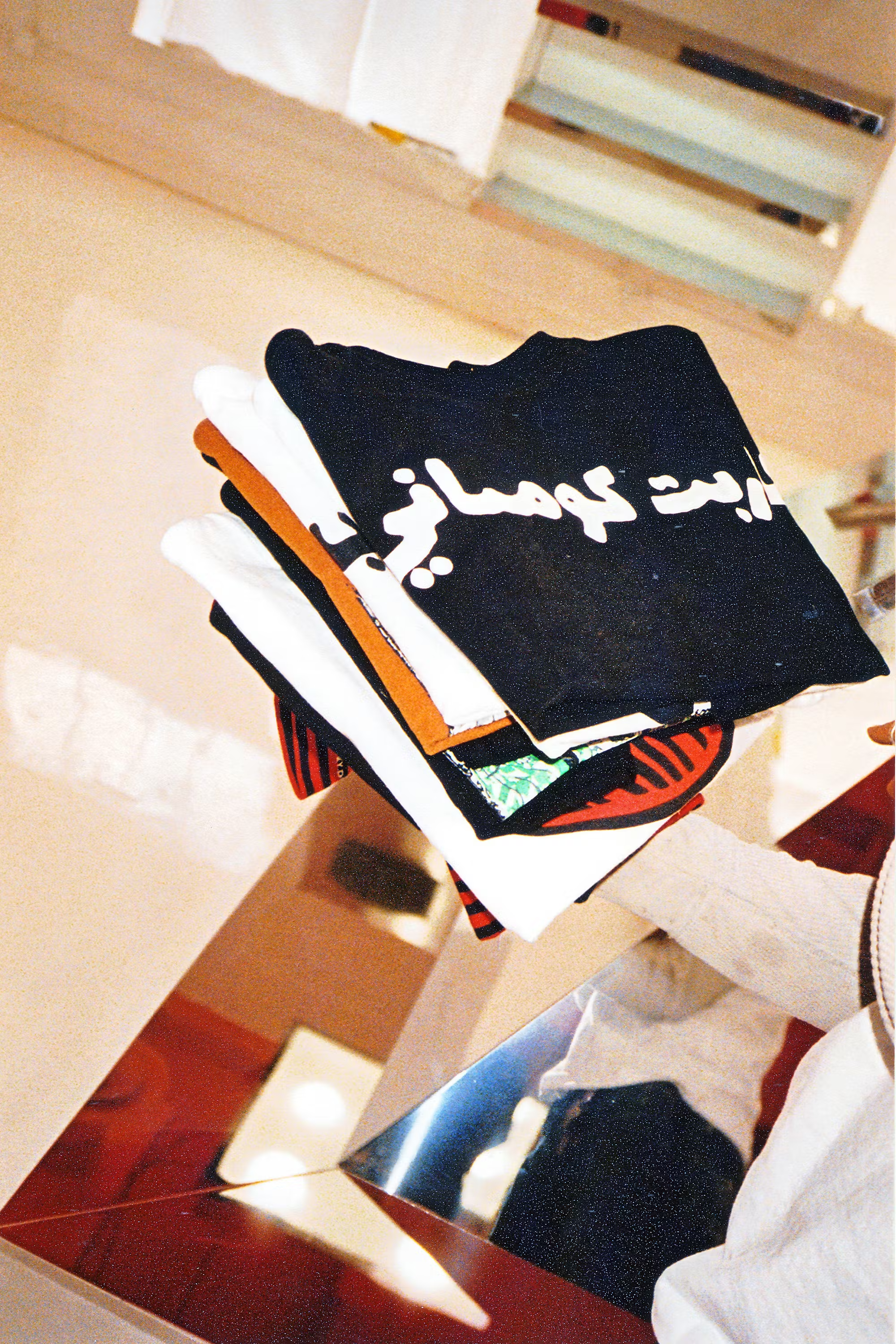
From there, the brand’s growth happened almost by accident. The brothers sent a small batch of products to a few skate shops they were friendly with, and the reaction was immediate. Skaters from around the country gravitated toward the homegrown spirit. Ayman and Osama, both devout Muslims, included prayer rugs in many shops’ first orders — the kind of personal touch that defined an earlier era of skate culture. Carpet also made an impact on Baltimore’s skaters, artists, and musicians. There’s a rack in the shop dedicated to merch from local bands who are friends with the founders, and it skews heavily toward hardcore. While I tour the space, Turnstile’s Daniel Fang stops by to see its progress. “Turnstile and us have been growing together,” Osama says. “When we had so few followers on Instagram, they also had few followers.”
For years, Carpet remained intentionally small. “It was always just me and Osama,” Ayman says. “All the designs and production, every collaboration, communication, everything.” They invested everything they made back into the company and, in 2017, they bought their first building outright for $25,000. “It was all of our money,” Ayman says. After years of renovations that the brothers estimate ran them around $30,000, they sold it for some $250,000, enabling their next leap: a larger warehouse that became the brand’s engine.
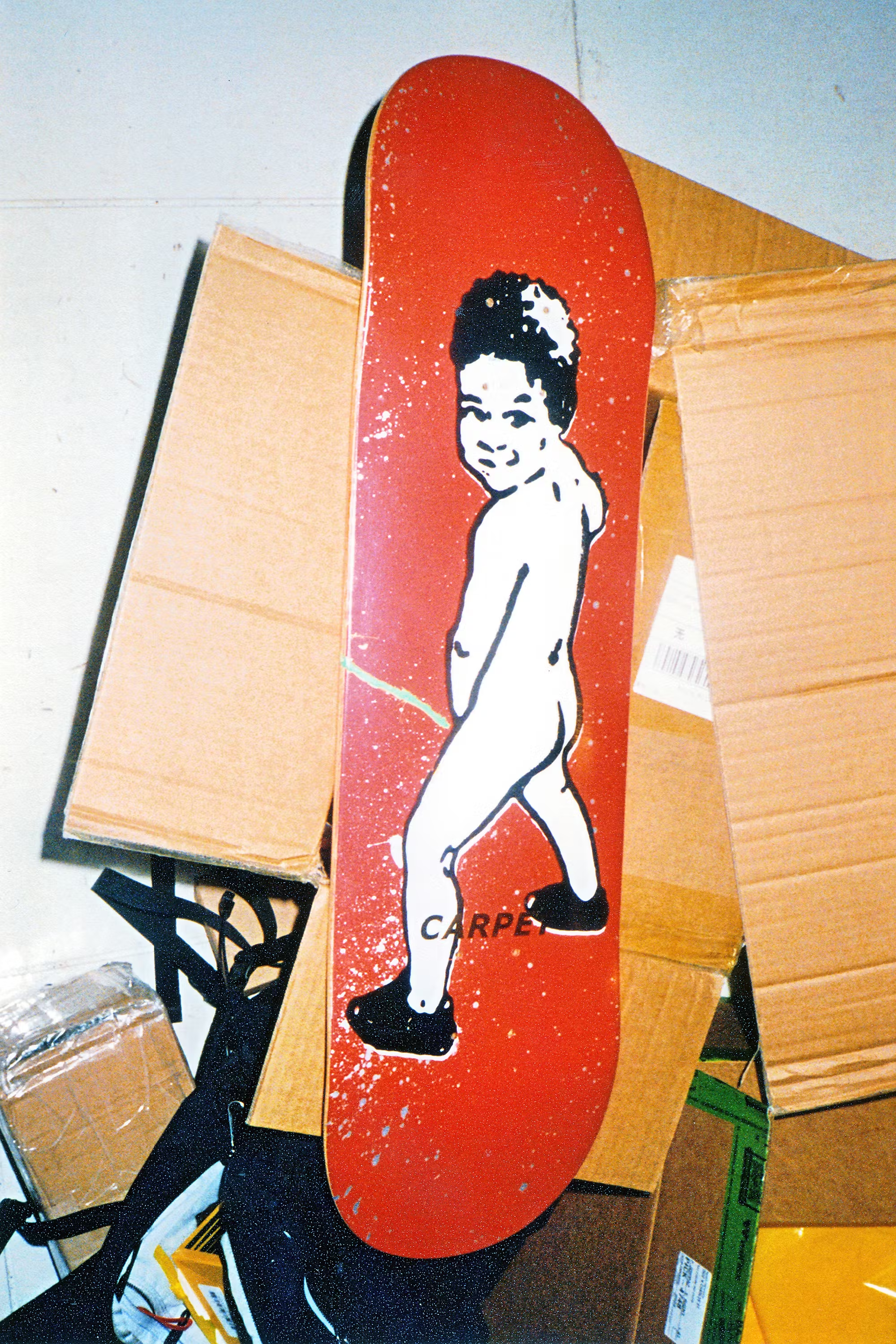
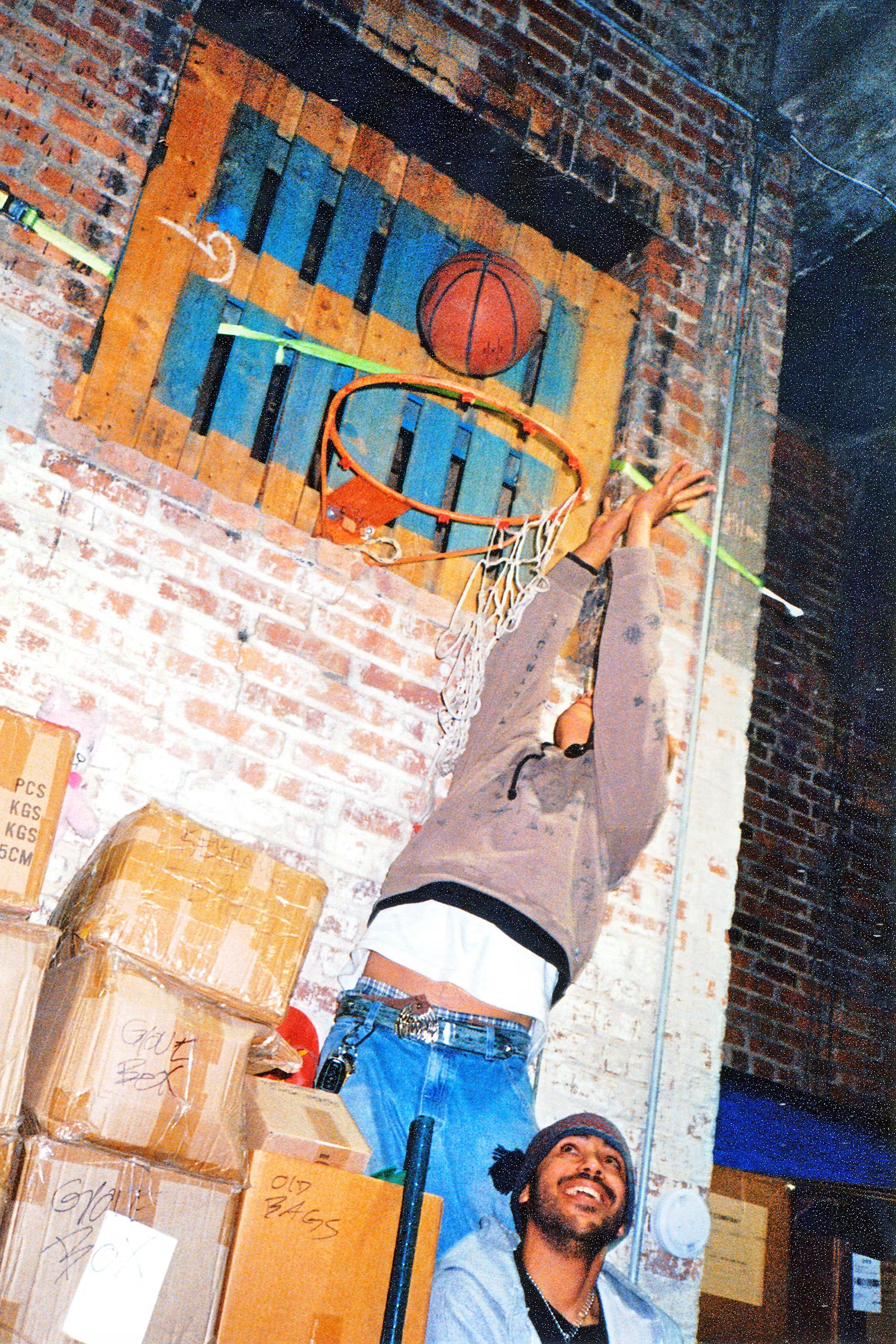
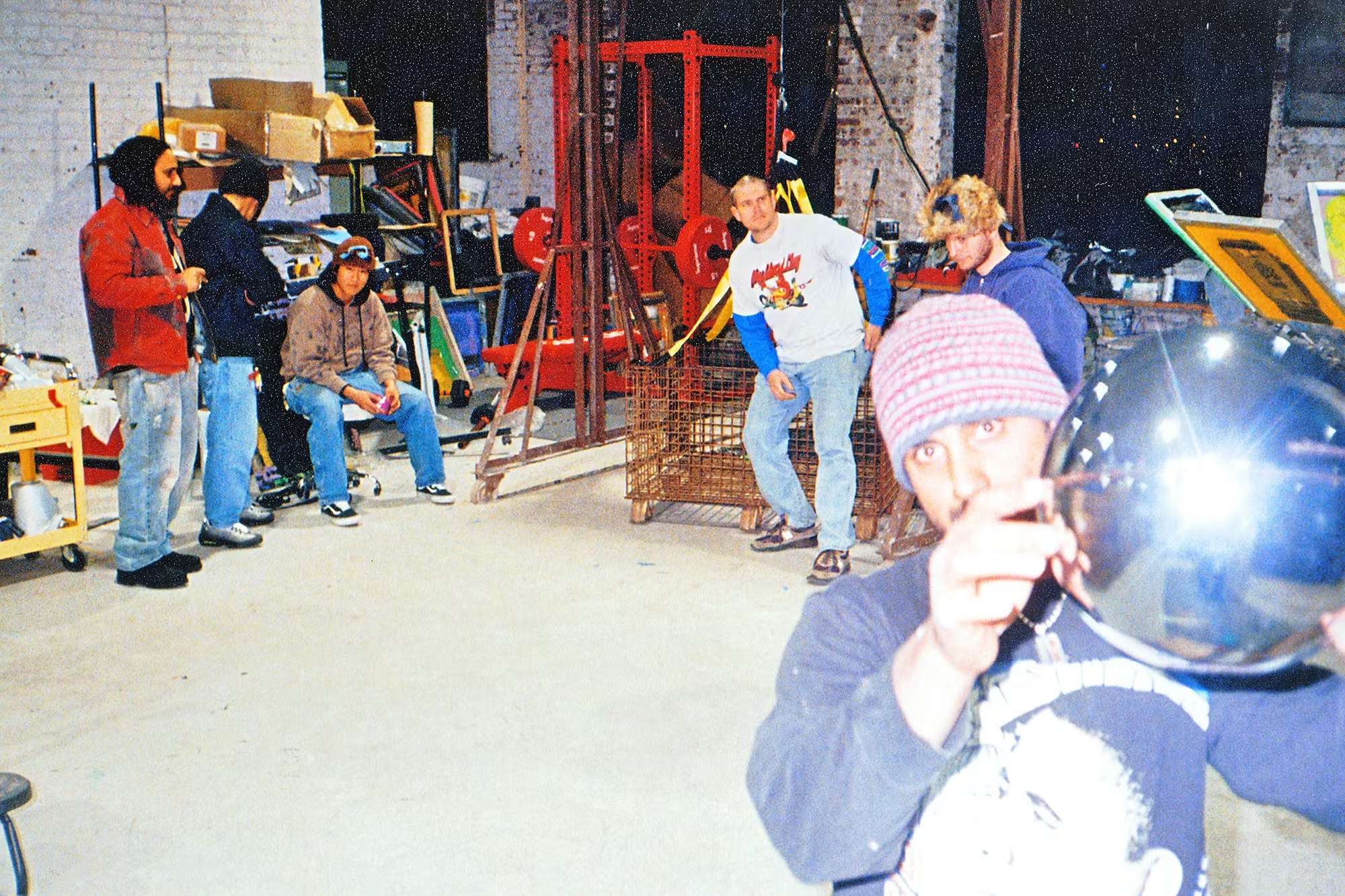
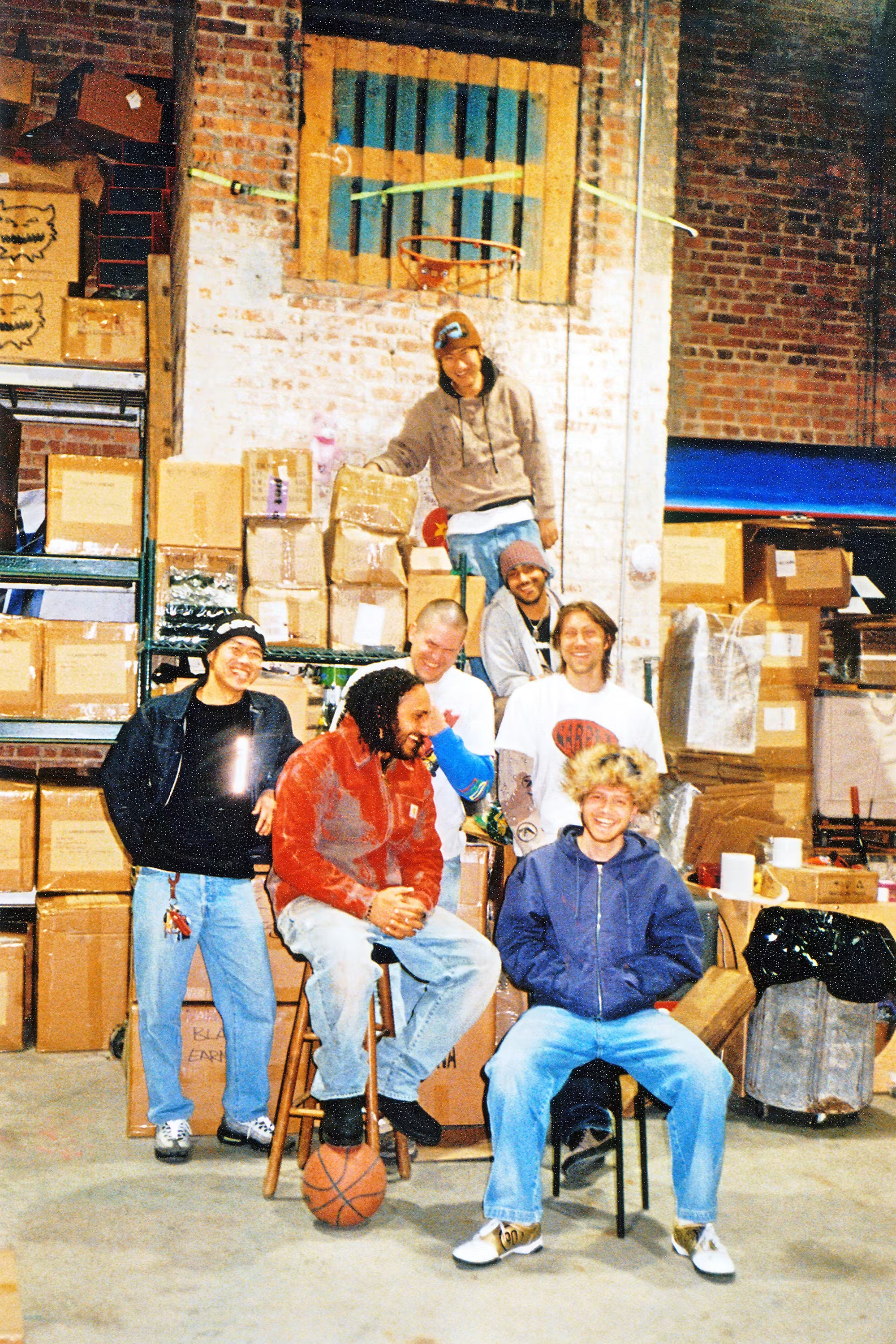
After we finish up at the shop, Ayman drives us there. The three-story building has the feeling of an amusement park, with the company’s giant logo perched atop the building. Inside, Carpet’s small staff finishes the day’s work, processing incoming shipments and packing orders. As Ayman shows me their early screenprinting setup, which sits adjacent to a Supreme weight set, mountains of boxes, and a perfectly skateable concrete ledge, a friendly game of S.K.A.T.E. has begun. The brand has also experimented with retail drops at the space, hosting pop-ups and live events that drew lines around the otherwise empty block, essentially testing the waters for what was to come.
For all its hyperlocal charm, Carpet has made its way into the mainstream, albeit on the founders’ terms. In 2021, they collaborated on a Nike SB Dunk featuring a tear-away material that revealed a different colorway as you skated. “Their first time ever doing a mesh casing,” Ayman says proudly. The drop was a coveted release and set the stage for Carpet to grow its customer base. “Definitely more eyes on it in the mainstream perspective,” he continues. “But we sell stuff to very specific stores. Not a lot of randoms ever really get their eyes on it.”
From a conventional perspective, the safer move after growing a streetwear brand into a profitable business, and following a successful Nike collaboration, would have been to open a store in New York or Los Angeles — cities where recognition converts cleanly into revenue. The brothers are aware of this. “If we had an accountant, he’d be like, ‘Yo, open a store in New York.’ Everybody opens a store in New York,” Ayman says. “We live in Baltimore. We focus on Baltimore. We lay our heads here at night. We should try to do it while we’re here.”
“If it fails, let’s fail really bad,” Osama adds. “Let’s just have fun with it in the meantime.”
When it comes to expansion, the brothers say they’d look to Egypt, where their family is from, before going for any more predictable locale. “If I was to read about Carpet stuff 20 years from now,” Osama says, “I’d want it to say we stood true to our DNA.”